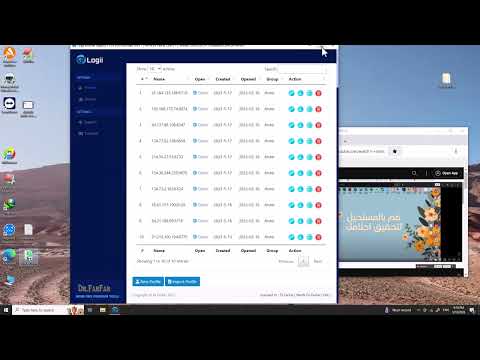
Quick answer: GoLogin uses a modified Chromium browser engine — the same open-source foundation that Chrome is built on. The anti-detect modifications sit on top of the Chromium core and intercept the JavaScript APIs that websites use for fingerprinting: canvas rendering, WebGL queries, font enumeration, and hardware readout calls. Each GoLogin profile runs its own Chromium instance with a distinct set of intercepted responses, making it appear as a separate device.
Why Chromium and Why It Matters
The choice of Chromium as the base engine isn’t arbitrary — it’s the engine with the largest real-world browser market share, which means Chromium-based user agent strings and browser behaviors are statistically unremarkable to fingerprinting systems. A GoLogin profile reporting a Chromium-based browser blends into the most common browser demographic. An anti-detect browser built on a niche engine would stand out by its own rarity, regardless of how well it spoofed individual signals.
The practical implication: GoLogin doesn’t show websites a fake browser — it shows them a real Chromium browser with modified outputs for the specific API calls that fingerprinting scripts target. That’s meaningfully different from tools that try to mask a different underlying engine with a Chromium-like user agent string, where the gap between the reported user agent and actual engine behavior creates detectable inconsistencies.
What GoLogin’s Chromium Modifications Do
| API / Signal | What Websites Can Read | What GoLogin’s Patch Does |
|---|---|---|
| Canvas API | Pixel-level rendering hash that varies by GPU + driver stack | Returns a consistent, profile-specific hash that differs from the real hardware hash |
| WebGL renderer | GPU model string and vendor string | Reports a configured GPU string per profile |
| Navigator API | OS, browser version, platform, language, hardware concurrency | Returns profile-configured values for each property |
| Font enumeration | List of installed fonts (varies by OS install) | Returns a configured font list per profile |
| AudioContext | Audio processing fingerprint from hardware stack | Spoofed to match the profile configuration |
Extension Compatibility on GoLogin’s Chromium Build
Because GoLogin is built on Chromium, most Chrome Web Store extensions work inside GoLogin profiles. This is operationally useful — ad management tools, password managers, and productivity extensions can run inside profiles without requiring custom builds. The compatibility isn’t perfect: extensions that make low-level API calls can sometimes interfere with GoLogin’s fingerprint layer or produce inconsistent behavior across profile instances.
Two categories of extensions need careful evaluation before deploying at scale. First, extensions that read or modify browser fingerprint signals — some privacy extensions actively modify canvas or WebGL outputs, which can conflict with GoLogin’s own modifications and produce unpredictable results. Second, extensions that phone home with device identifiers — some extensions transmit hardware or browser identifiers to their own servers, creating a cross-profile correlation vector outside the browser layer that GoLogin’s modifications don’t address.
Installing identical extension sets across all GoLogin profiles. Extensions themselves can become a correlation signal — if 8 profiles all run the same unusual extension combination, and that combination is rare among real browser users, it becomes a distinguishing pattern. Install only extensions that are genuinely necessary per profile, and vary extension sets where operationally feasible. A profile with zero extensions often produces a cleaner fingerprint than one with multiple extensions that each add signals to the fingerprint surface.
GoLogin Updates and Chromium Version Currency
GoLogin ships updates that track Chromium releases — the anti-detect team patches their modifications against new Chromium builds as they’re released. This matters because an outdated Chromium version becomes increasingly detectable over time. Websites that compare browser version against expected user populations see anomalies when browsers claim to be Chromium versions that are months behind the current release. An anti-detect browser running Chromium 110 when most users have updated to 124+ shows up as an outlier in version frequency distributions.
The practical implication: keep GoLogin updated. Teams that disable auto-updates to preserve a stable production environment should schedule manual update reviews — at minimum, check quarterly whether the Chromium version GoLogin is shipping is still within the current browser version normal range. This is a maintenance task that often gets skipped until a detection event triggers the review.
For teams evaluating whether GoLogin’s Chromium modifications produce adequate fingerprint scores on their specific platforms, RoxyBrowser also runs on a Chromium foundation — running both tools through identical fingerprint QA tests on the same platforms produces the most useful comparison data for making a vendor choice. See the RoxyBrowser setup guide for how that Chromium layer is configured.

FAQ: GoLogin’s Browser Engine
Is GoLogin just Chrome with a different name?
No — GoLogin is built on Chromium (the open-source project Chrome is also built from), but with substantial modifications to the fingerprinting-related APIs. Standard Chrome reports your real canvas hash, real GPU string, and real hardware specifications to any website that queries them. GoLogin intercepts those queries at the engine level and returns profile-configured values instead. The underlying rendering and JavaScript engine are shared with Chrome; the fingerprint output layer is entirely different.
Can I import Chrome bookmarks and passwords into GoLogin?
GoLogin profiles can import Chrome data in some configurations — check the current import tools in GoLogin’s documentation for the specific workflow. One caution: importing session cookies from Chrome (as opposed to bookmarks or saved passwords) carries the fingerprint association risk described earlier. Bookmarks and saved passwords don’t carry fingerprint signals; session cookies do. Import one, not the other.
Does the Chromium version GoLogin uses affect fingerprint quality?
Yes, meaningfully. Browser fingerprinting systems incorporate browser version frequency distributions — they flag user agent strings claiming versions far below the current distribution median as anomalies. An outdated Chromium version in GoLogin doesn’t affect the canvas or WebGL modifications, but the reported user agent version itself becomes a signal. Keeping GoLogin updated maintains version currency and avoids that specific detection vector.
Can GoLogin run automation frameworks like Puppeteer or Playwright?
GoLogin offers API access and browser automation support on its business-tier plans, compatible with frameworks that can connect to a launched Chromium instance. The automation layer sits on top of the same fingerprint-modified Chromium browser, so automated sessions carry the same fingerprint profile as manual sessions in that profile. Check GoLogin’s current API documentation for specific framework compatibility and setup instructions.