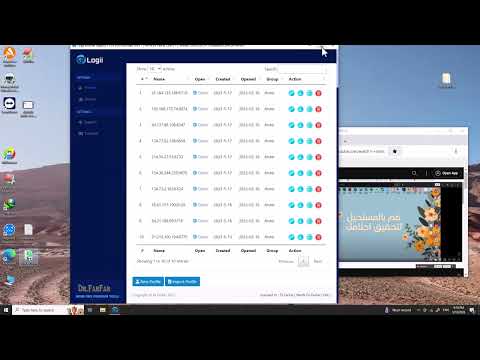
Quick answer: GoLogin is a legitimate anti-detect browser used for multi-account management. Safety depends on how you evaluate it: the software itself is not malware (install from gologin.com only); using it on platforms where multi-account operation is allowed is operationally safe with correct configuration. Third-party or unofficial GoLogin versions are a real malware risk — they can harvest browser cookies from loaded profiles.
What GoLogin Is — and Why the Safety Question Has Two Parts
GoLogin is an anti-detect browser: a tool that creates isolated browser profiles where each profile gets a unique synthetic hardware fingerprint (canvas hash, WebGL renderer output, hardware concurrency, font list) and supports per-profile proxy assignment. It’s used primarily by digital marketers, agencies managing client ad accounts, affiliate marketers, and marketplace sellers who need to operate multiple accounts on platforms that would otherwise detect and link them based on shared device signals. For the mechanics behind that isolation, see how GoLogin works.
The “is GoLogin safe” question is genuinely two separate questions: is the software safe to install and run on your machine, and is the use of it safe from an account-operations perspective. These have different answers, and confusing them produces bad decisions in both directions — dismissing a legitimate tool out of unfounded safety concerns, or using it in ways that create real account risk.
Software Safety: Is GoLogin Malware?
The official GoLogin from gologin.com is not malware. It’s a commercial product with a paying customer base and a published company. The safety risk is specifically around unofficial versions — modified GoLogin builds distributed through forums, Telegram channels, and unofficial download sites as “free alternatives” or “cracked” versions of the paid product.
Anti-detect browsers are a high-value malware target because they handle browser profiles containing login session cookies. A malicious version of an anti-detect browser has access to exactly what its legitimate counterpart stores: authenticated session cookies for the accounts loaded in those profiles. Those cookies can be harvested silently while the operator appears to be using the tool normally. The stolen cookies grant access to ad accounts (with payment instruments attached), marketplace accounts, social media accounts, and any other platform where session cookies are present in the profiles.
Installation source is the critical safety factor. Install GoLogin only from gologin.com. Verify the download URL before clicking. After installing, run the binary through VirusTotal.com (70+ antivirus engine scan, free) before executing. This is standard practice for any software in this category regardless of the specific tool.
Operational Safety: Is GoLogin Safe for Account Management?
| Configuration Element | Correct Practice | What Goes Wrong Otherwise |
|---|---|---|
| Proxy per profile | One unique residential proxy per account | Shared IP links all profiles at the network layer |
| Timezone | Matches proxy geographic location | Mismatch is a detectable inconsistency on strict platforms |
| Fingerprint consistency | All values internally consistent (OS, UA, screen, GPU) | Contradictory fingerprint looks more artificial than a real device |
| Session startup | Fresh login from each new profile | Importing cookies from prior sessions presents old fingerprint mismatch |
| Account naming and content | Different profiles, different content strategies | Identical content across accounts triggers behavioral linking |
| Software updates | Keep GoLogin updated to latest version | Outdated fingerprint libraries may fail against updated platform detection |
Using GoLogin’s free built-in proxy option (GoLogin provides some free proxies bundled with certain plans) as the sole proxy for production client accounts. Built-in proxies in anti-detect tools are shared across other users of the same tool — multiple GoLogin accounts are routing through the same proxy IP pool. Platforms that track IP-to-account patterns may see multiple distinct accounts (from other GoLogin users, not just yours) originating from the same IP range, which creates an indirect detection signal based on the proxy source. For production client accounts on strict platforms, source independent residential proxies from a dedicated proxy provider and configure them per profile — don’t rely on the tool’s built-in proxy offer for accounts where a ban has real business cost.
GoLogin vs Other Anti-Detect Browsers
GoLogin competes directly with Multilogin, Octo Browser, AdsPower, and RoxyBrowser. All provide the same core fingerprint isolation mechanism (canvas, WebGL, hardware signal spoofing) with per-profile proxy support. GoLogin has positioned itself at a more accessible price point than Multilogin with a free tier offering a limited number of profiles for evaluation. See the RoxyBrowser setup guide for how the alternative handles the same controls — and what browser GoLogin uses for the engine detail.
GoLogin’s free tier is a functional trial tool — the fingerprint engine is the same as the paid version. The free profile limit means it’s not usable at production scale without a paid plan, but it’s sufficient to test whether the tool’s fingerprint quality survives on the specific platforms you manage before committing. That platform-specific survival test is the most important evaluation step, and GoLogin’s free tier makes it accessible without upfront cost. We covered this exact question in an episode of The Mr Ait Show podcast.

FAQ: Is GoLogin Safe
Is GoLogin safe to use on Windows and Mac?
Yes — the official GoLogin from gologin.com is available for both Windows and Mac and operates as legitimate software on both platforms. Some antivirus programs flag anti-detect browsers as potentially unwanted programs (PUPs) due to their fingerprint-modifying behavior — this is a category-based flag rather than evidence of malicious code. Running the installer through VirusTotal.com before executing it is the standard verification approach. A single or small number of AV engine flags on VirusTotal doesn’t indicate malware; consistent detection across many engines would.
Can GoLogin be traced back to my real IP?
GoLogin routes traffic through per-profile proxies when configured. Without a proxy assigned to a profile, the profile’s traffic uses your real IP address — there is no default anonymization layer. The proxy configuration is the operator’s responsibility; GoLogin doesn’t add a proxy layer automatically. For profiles where anonymity from your real IP is required, always assign a proxy to the profile and verify it’s active before logging into any account. The built-in proxy test in GoLogin’s profile settings confirms whether the proxy is responding correctly before you launch.
Does GoLogin log your browsing activity?
GoLogin’s privacy policy (on gologin.com) describes what data the company collects. Like most SaaS tools, GoLogin collects account-level usage data and profile configuration data that syncs to their servers (necessary for the cross-device profile sync feature). Browsing activity within launched profiles is not the same as profile configuration data. Review the current privacy policy on gologin.com for the specific data collection terms — the relevant sections cover what syncs to GoLogin’s servers versus what stays local. If data residency is a business requirement, review the policy before committing to any cloud-synced anti-detect browser, as all major tools in this category (Multilogin, GoLogin, Octo Browser) sync profile configurations to cloud servers as part of their team-access features.
What’s the difference between GoLogin’s free plan and paid plans?
GoLogin’s free tier limits the number of browser profiles (check the current limit on gologin.com, as it changes with plan updates). The fingerprint engine on the free tier is the same as paid — the limitation is profile count, not fingerprint quality. Paid plans add more profiles, team seat access for sharing profiles with colleagues, and additional features like profile transfer and expanded API access. For individual evaluation: the free tier is a complete trial of the fingerprint quality. For production use with multiple client accounts and team operators: a paid plan is required for the profile count and team features needed at scale.