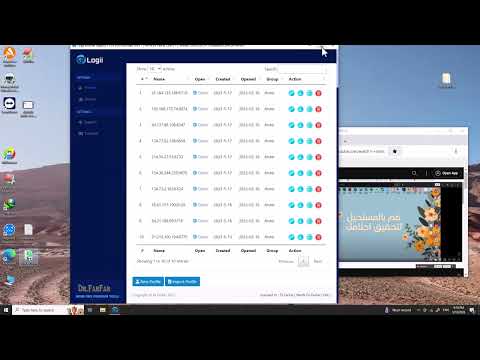
Quick answer: For multiple logins on the same platform, use a separate browser profile per account. Assign each profile its own proxy so each session has a distinct IP. Verify the fingerprint before first login using PixelScan.net. Never transfer cookies between profiles — always log in fresh. For platforms with hardware fingerprinting (Facebook Ads, Amazon, TikTok), use an anti-detect browser rather than Chrome profiles.
Why “Multiple Login” Setups Fail — and How to Prevent It
Multiple logins fail for two distinct reasons: session contamination (cookies crossing between accounts) and device correlation (the platform seeing that multiple accounts originate from the same machine). Standard multi-login approaches that only address the first reason — cookie isolation — leave the second reason completely open. Platforms that use device fingerprinting to detect related accounts will link profiles on the same machine even when cookies are perfectly separated.
The complete multiple-login setup addresses both: cookie isolation AND device signal isolation. Here’s how that works at each tier of strictness.
Tier 1: Low-Risk Multiple Logins (SaaS Tools, Non-Monetized Platforms)
For platforms like project management tools, email clients, low-stakes content platforms, and developer environments — the risk of platform-level account correlation is low. These platforms typically don’t run hardware fingerprinting. Cookie isolation is sufficient.
Tools at this tier: Chrome’s built-in profile switching, Firefox multi-account containers, SessionBox (cookie container extension), or simply logging out and back in between sessions. Any of these separates cookies adequately for low-risk contexts. The key failure mode here is accidentally mixing cookies — which Chrome profiles and Firefox containers prevent without any additional setup.
Tier 2: Medium-Risk Multiple Logins (Social Media, Marketplace Research)
For platforms that log IP addresses per account and check for geo-consistency, but don’t aggressively fingerprint hardware: cookie isolation plus per-profile proxy assignment. Chrome profiles or SessionBox with proxy extension support provides this. The proxy separates the IP layer; the cookie isolation separates the session layer.
The risk at this tier: some platforms in this category have upgraded their detection sophistication over time. A setup that worked 18 months ago on a given platform may no longer be sufficient as that platform’s fraud detection has evolved. Periodic re-testing on live platforms matters more than initial setup validation.
Tier 3: High-Risk Multiple Logins (Ad Accounts, Marketplace Sellers, Affiliate Programs)
| What the Platform Checks | How to Address It | Tool Required |
|---|---|---|
| Cookies / login state | Separate cookie store per profile | Any multi-profile tool |
| IP address / ASN | Unique proxy per profile | Residential proxy per account |
| Canvas fingerprint | Unique canvas hash per profile | Anti-detect browser only |
| WebGL renderer | Spoofed renderer per profile | Anti-detect browser only |
| Hardware concurrency | Simulated CPU thread count | Anti-detect browser only |
| Font list | Controlled font enumeration | Anti-detect browser only |
| Behavioral patterns | Human operating each profile naturally | Operator discipline |
For Tier 3 use cases, the required setup is an anti-detect browser with a dedicated residential proxy per profile. Tools in this category include Multilogin, GoLogin, AdsPower, and RoxyBrowser. Each provides fingerprint spoofing at the hardware signal level, which is the layer that separates them from Chrome profiles and session management extensions. For tool picks at each tier, see the best browser for multi accounting — and for cleanup later, how to delete multiple accounts on Android.
Mixing proxies between profiles — assigning the same proxy IP to two different accounts, even temporarily. This happens when a proxy subscription lapses and an operator borrows a proxy from another profile “just for this session.” Platforms log IP-to-account associations. A single session where Account A’s proxy IP is used to access Account B creates a linking record in the platform’s fraud database. That record persists even after the proxy is moved back. Maintain strict one-proxy-per-account discipline — if a proxy lapses, use a new one rather than borrowing from an existing account.
The Fingerprint Verification Step — Non-Optional
Before the first login to any account from a new profile, run a fingerprint check. Navigate to PixelScan.net, BrowserLeaks.com, or IPhey.com from within the new profile. Confirm three things: the IP shows the proxy’s location (not your real IP), the timezone matches the proxy’s geographic location, and the canvas/WebGL values are unique (check this by opening the same verification site in a different profile and comparing — the hash values should differ).
This verification step catches configuration errors before they touch an account. A profile launched with a misconfigured proxy that falls through to the real IP, or a timezone mismatch between the fingerprint and proxy location, is detectable on sophisticated platforms at the moment of first login. Checking takes two minutes and prevents account-level flags that take much longer to address.

FAQ: How to Do Multiple Login
Can I use incognito mode for multiple logins?
Incognito mode starts a fresh session without existing cookies, which makes it useful for logging into a second account without touching the cookies of the first. But incognito tabs share the same hardware fingerprint as regular Chrome sessions on the same machine. Multiple incognito windows also share the same fingerprint with each other. For cookie isolation only: incognito works temporarily. For fingerprint isolation on platforms with device detection: incognito doesn’t help at all.
Is using multiple logins against terms of service?
Depends entirely on the platform. Multiple logins for different clients on a tool that explicitly supports agency use (many SaaS tools have agency plans or multi-account features) is not a ToS issue — the platform has built for exactly that use case. Running multiple accounts on a platform that explicitly prohibits it (Facebook’s personal account policy, Amazon’s seller single-account requirement in certain categories) is a ToS issue regardless of whether detection occurs. Understand the platform’s terms before building a multi-account operation on it, not after an account is restricted.
What’s the difference between multiple logins and multiple accounts?
Multiple logins refers to operating multiple accounts — often owned by different people or entities (clients, separate businesses) — from the same operator. Multiple accounts can refer to a single person creating multiple accounts on a platform, or to managing multiple client accounts as an agency. The technical isolation requirements are the same either way: the platform sees each login as an independent entity regardless of who owns the accounts. The ToS distinction between the two scenarios matters for account policy compliance — the isolation technique doesn’t change based on ownership structure.
How do I test whether my multiple login setup is working?
Three-step verification: (1) Open PixelScan.net or BrowserLeaks.com in each profile and compare the canvas fingerprint hash values — they should be different across profiles. (2) Check the IP address shown — each profile should show a different IP corresponding to its assigned proxy. (3) Verify timezone consistency — the timezone shown in the fingerprint check should match the geographic location of the proxy. If all three differ correctly across profiles, the isolation is working at the detection-signal level. Functional account activity is a secondary confirmation — but signal-level verification catches configuration errors before they touch live accounts.