Quick answer: Anti detection browsers isolate cookies, storage, and hardware signals (canvas, WebGL, fonts, timezone) per profile so platforms see separate devices instead of one machine with many logins. They enable lawful multi-account work on ads, marketplaces, and SaaS dashboards when paired with unique proxies. They don’t grant immunity from bans — IP reputation, payment fingerprints, and behavior still get scored.
Anti detection browsers exist because normal browsers leak shared fingerprints across logins: the same canvas hash, the same GPU string, the same font set behind every account. Platforms score those signals and link accounts that share them. This guide explains what these browsers actually do, what they don’t, and how to evaluate vendors like RoxyBrowser before spending money.

What Anti Detection Browsers Actually Do
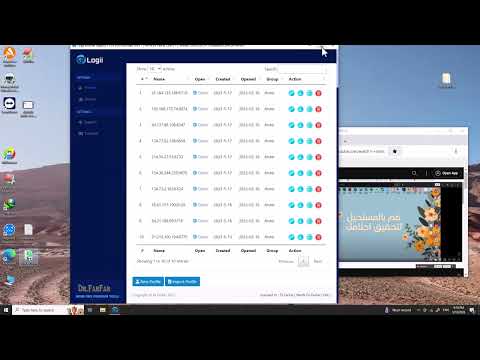
Each profile runs as its own Chromium identity with separate cookies, local storage, and cache — plus a synthetic hardware layer: canvas rendering that produces a distinct hash, a spoofed WebGL renderer string, a coherent font set, and a timezone matched to the profile’s proxy. Profile 1 can present as a MacBook; Profile 2 on the same machine presents as a Windows laptop. Platforms see two devices. For a full video walkthrough of one of these tools, see how to use RoxyBrowser in 2026.
What they don’t do is make accounts ban-proof. Operators still need unique credentials, separate payment instruments where platforms compare billing fingerprints, and compliant content. Software isolation is one layer in a larger hygiene stack.
Signals Platforms Still Score
IP reputation and subnet clustering matter most: ten profiles sharing one /24 subnet link together even with perfect fingerprints. Payment instrument overlap, behavioral timing (identical automation cadence across accounts), and account history round out the detection stack. Learn how platforms combine these in our guide to why teams separate accounts and what happens when they don’t.
Popular Anti Detection Browsers
RoxyBrowser, Multilogin, GoLogin, and Incogniton lead most comparison lists. Pick based on your profile count, team size, support hours, and total cost including proxies — not feature-list length. Our best anti-detect browser guide for 2026 ranks them by use case. For the tool we run daily, the full RoxyBrowser setup guide is the best starting point.
How to Evaluate a Vendor
Launch three profiles, attach unique proxies, and log into your riskiest domain for seven days. The best anti detection browsers keep sessions alive after vendor updates — anti-detect teams ship core browser patches that can shift canvas hashes overnight, so stability across updates is a real differentiator. Run PixelScan or BrowserScan on every profile during the trial and document the results; documented checker history also helps when you need to appeal a platform challenge later.
| Feature | RoxyBrowser | Multilogin | GoLogin | Incogniton |
|---|---|---|---|---|
| Profile isolation | Full per-profile | Full per-profile | Full per-profile | Full per-profile |
| Fingerprint controls | Canvas, WebGL, fonts | Granular presets, dual engines | Template-based | Desktop-focused |
| Team seats & roles | Practical RBAC | Enterprise audit logs | Shared folders | Lightweight sharing |
| Typical starting tier | Mid-market value | Higher entry | Budget-friendly | Budget-friendly |
| Best for | Agencies & speed | Compliance-heavy teams | Solo testers | Solo operators |
Ready to try RoxyBrowser?
Try RoxyBrowser Free →
Related guides
Frequently Asked Questions
Are anti detection browsers legal?
Yes, as software. Using one to separate accounts you own is generally lawful in Canada and the US. What matters is each platform’s terms of service — follow them, and don’t use isolation tooling for fraud.
Do browser containers replace anti detection browsers?
No. Firefox containers and Chrome profiles hide cookies but rarely spoof hardware fingerprints — platforms still link accounts by canvas, WebGL, and IP. Containers handle light personal use; anti-detect browsers handle strict platforms.
Which anti detection browser is best for agencies?
RoxyBrowser balances cloning speed, team seats, and mid-market pricing for most agencies. Multilogin fits compliance-heavy shops; GoLogin fits solo operators. Trial your shortlist on identical proxies before prepaying.
Can I automate anti detection browsers?
Most vendors offer APIs on paid tiers for profile management and launch automation. Confirm API scope and concurrency limits before you build scripts around a specific tool.